

How to tackle disinformation in the energy transition: A case study from Brazil
Our latest webinar dug into learnings from our recent project in support of Brazil's emerging offshore wind sector. Here's what we covered.
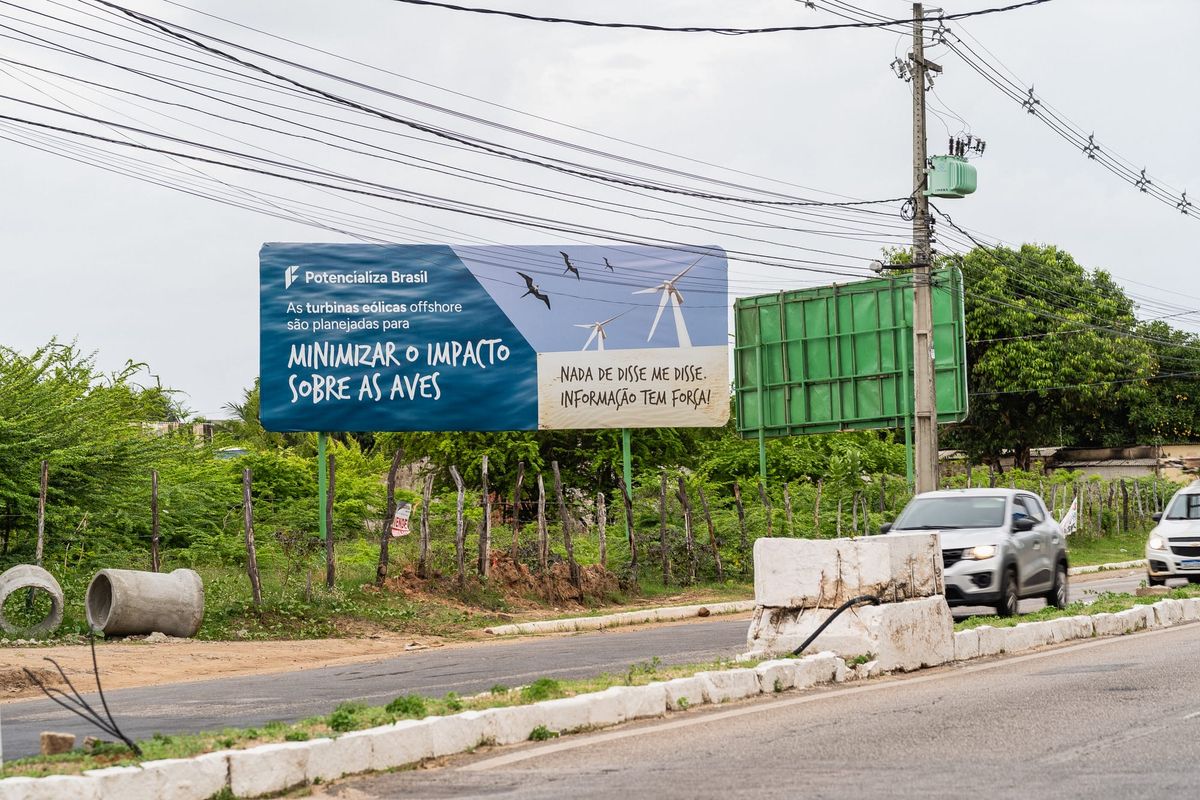
As misinformation becomes an increasingly significant challenge for clean energy projects, a key question is no longer whether civil society should respond, but how they can do so effectively.
Our latest webinar, Disinformation-Proofing the Energy Transition: A Playbook for Civil Society, dug into learnings from our recent project in support of Brazil's emerging offshore wind sector. This project was done in collaboration with Ocean Energy Pathway, and with Potencializa Brasil and Good Power.
Working in two communities in northeast Brazil, the project aimed to protect information integrity around some of Latin America's first offshore wind developments while testing which communications approaches were most effective.
About the projects
Our work combined audience research, community engagement, communications (both online and on mainstream media) and impact measurement, to understand how support for renewable energy can be strengthened in environments where misinformation is emerging.
Research was conducted in Areia Branca, where the first two offshore wind turbines will be installed and therefore some misinformation narratives were already circulating, and Natal, the capital of the state where awareness of offshore wind was relatively low.
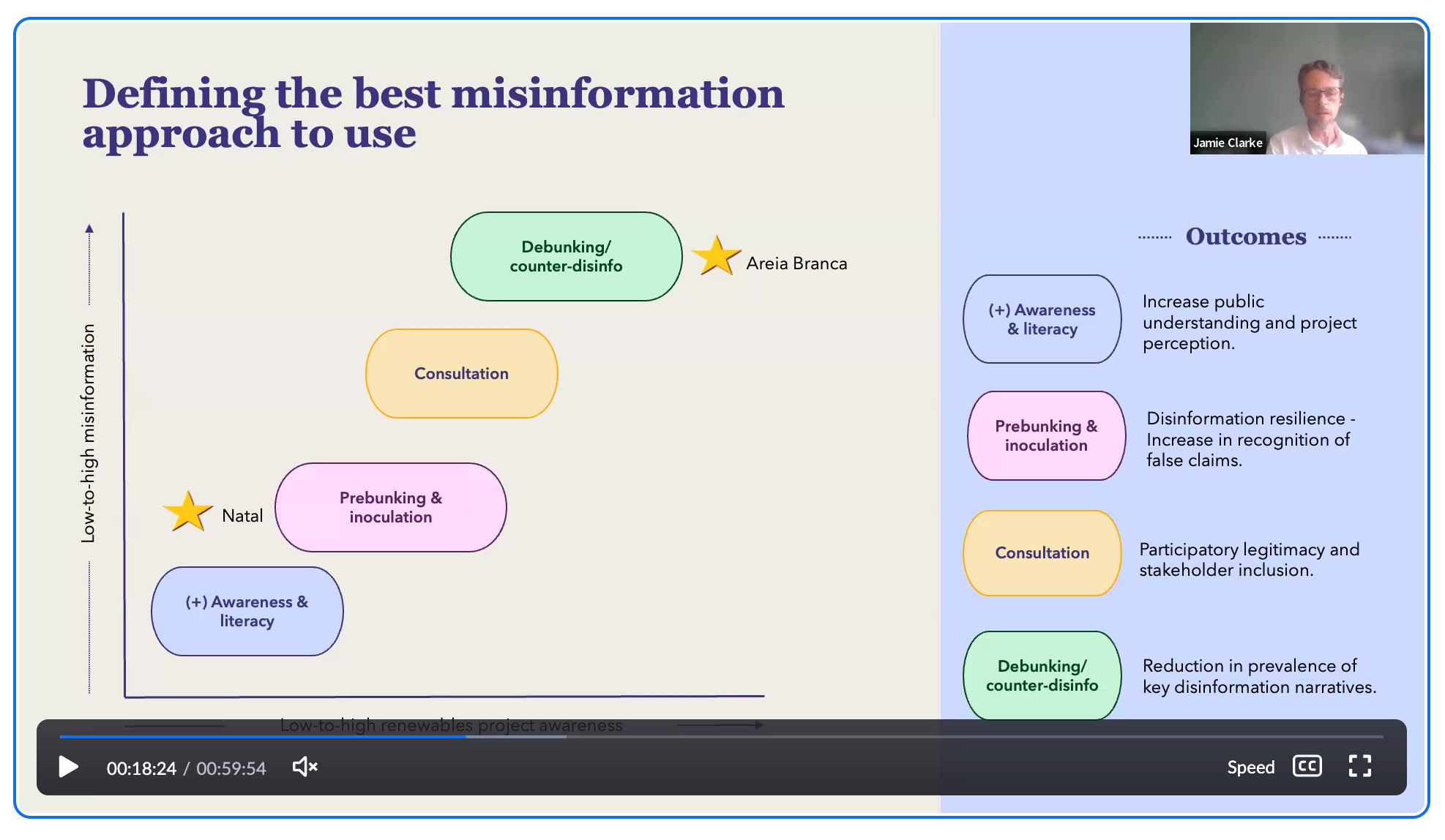
Rather than focusing exclusively on debunking false claims, ACT Climate Labs tested a range of approaches, including:
- Positive storytelling centred on local benefits, trusted messengers and community identity.
- Pre-bunking, which helps audiences recognise and resist common misinformation narratives before they become established.
- Targeted debunking of misinformation that had already gained traction.
- Online community management to ensure misinformation was addressed without inadvertently amplifying it.
B
Key learnings for civil society organisations
1. Combine emotional storytelling with tangible benefits
The strongest-performing messages were those that paired emotional connection with practical benefits such as jobs, community investment and economic opportunity. Fact-based messaging alone was significantly less effective.
Campaign testing found local acceptance of offshore wind increased from 68% with facts-only messaging to 83% when emotional messaging was incorporated.
2. Local stories can resonate far beyond local audiences
One surprising finding was that highly localised content performed strongly at a national level. Although the campaign focused heavily on northeast Brazilian identity, it increased support for offshore wind both in the target region and across Brazil as a whole.
The lesson: authentic local stories often have broader appeal than communicators assume.
3. Humour can be a powerful misinformation tool
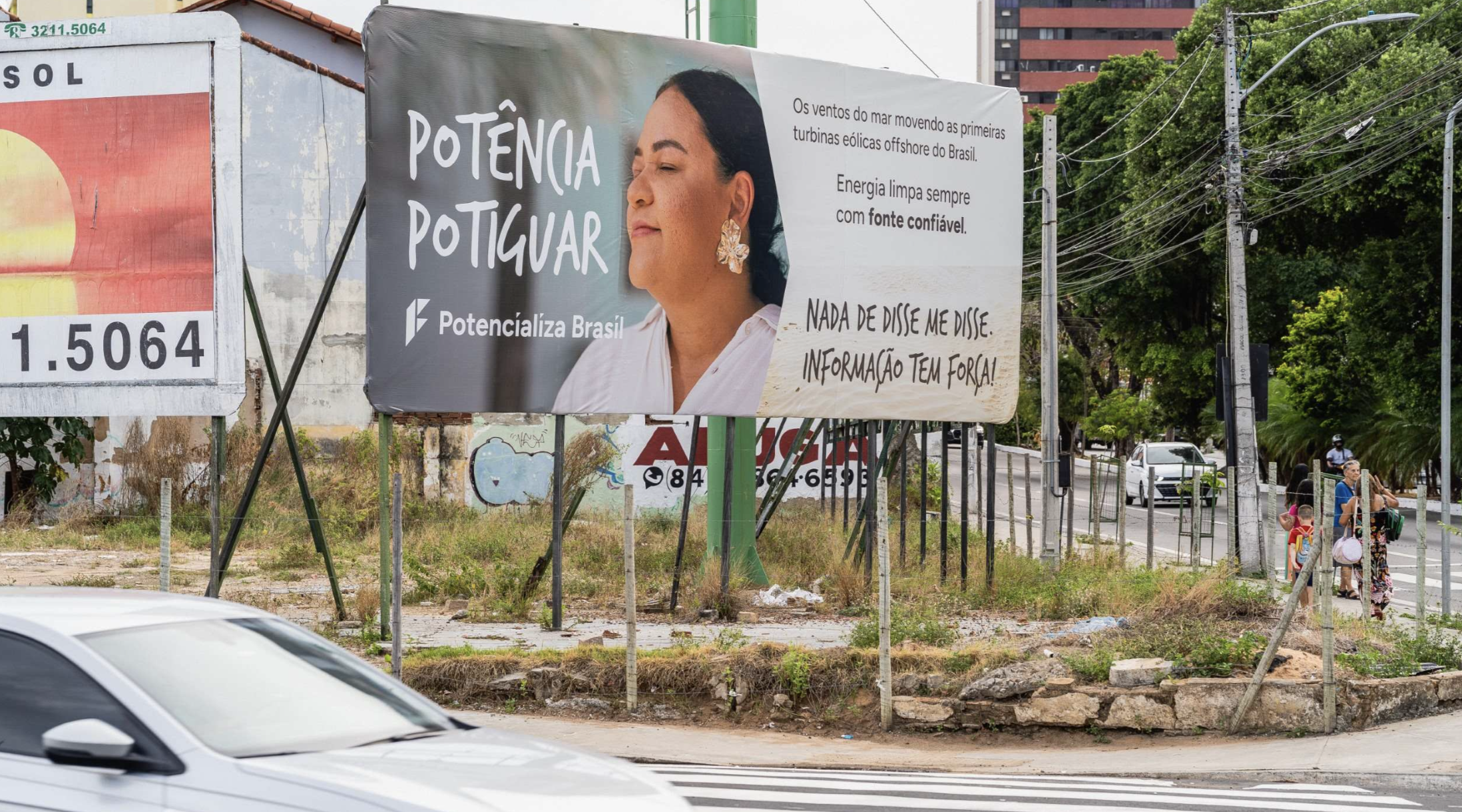
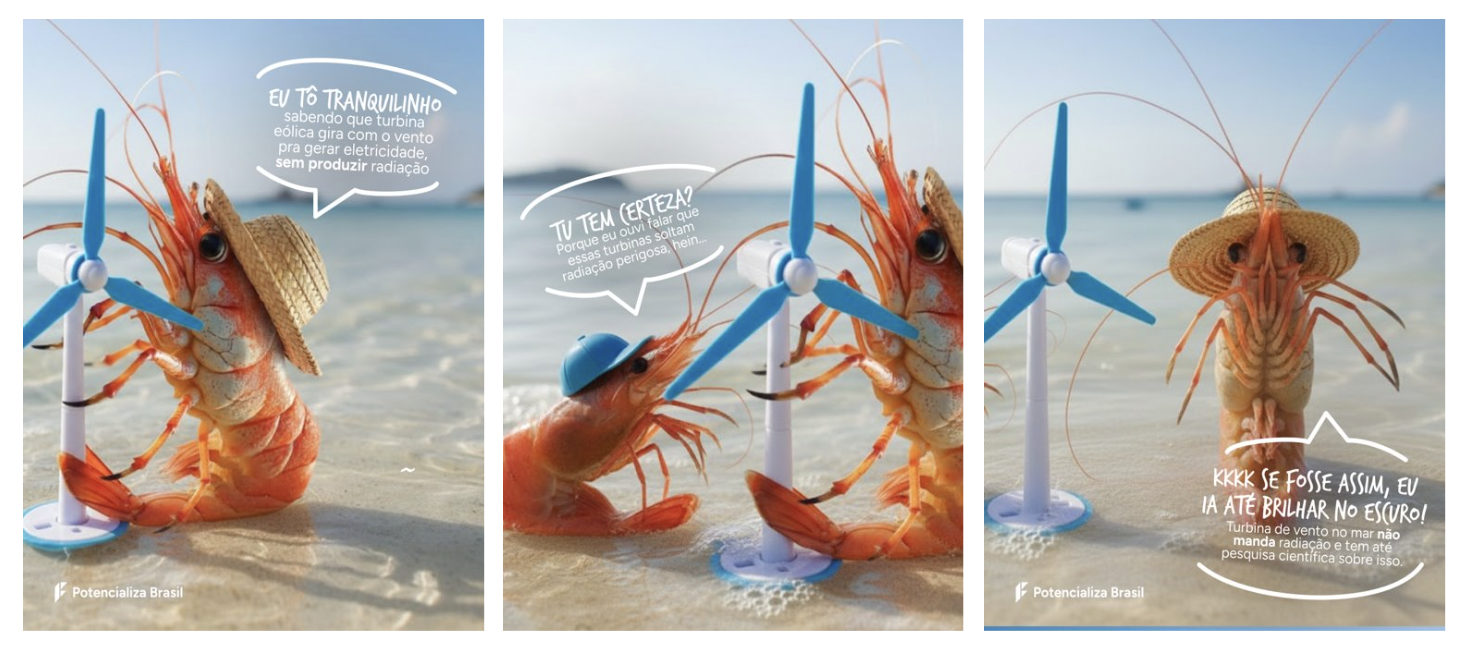
Humorous content consistently outperformed more traditional fact-based approaches. In Areia Branca, culturally relevant content helped challenge misinformation narratives while encouraging audiences to engage with accurate information in a non-confrontational way.
4. Trusted local voices matter
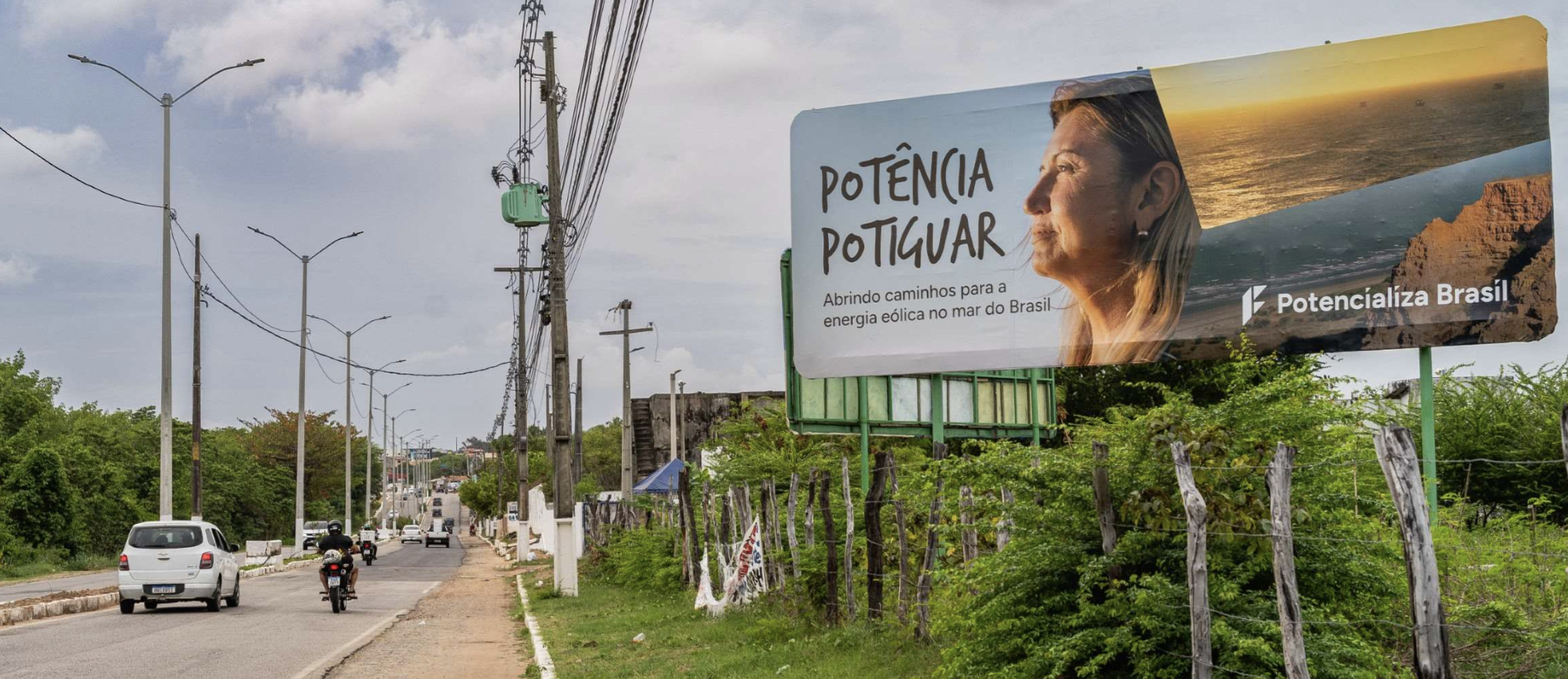
Community members and locally recognised messengers played an important role in building trust and credibility. Technical experts remained important, but local voices helped make content feel authentic and relevant.
5. Online communications work best when supported offline
The campaign found that digital activity alone was unlikely to shift beliefs about misinformation. Combining social media with trusted offline channels, including local radio, billboards and community engagement, created a "surround sound" effect that increased trust and legitimacy.
6. Different contexts require different approaches
In areas with low awareness, positive storytelling and public education proved most effective. Where misinformation was already established, pre-bunking and targeted debunking were necessary. Understanding the local information environment before designing communications was critical to success.
7. Measure impact from the start
A key recommendation from the project was to build measurement into campaigns from the outset. Combining polling, interviews, focus groups and narrative monitoring helped identify which messages worked, which channels audiences trusted and where further engagement was needed.
Results showed increases in support for offshore wind both nationally and within the project region, alongside greater confidence in the technology's benefits for local communities and economies:
- +15.1 percentage point support for offshore wind in Northeast regions
- +9.2 percentage point belief that offshore wind will benefit communities
- +8.9 percentage point belief that offshore wind can boost community’s local economy
- +13.1 percentage point in Brazilians’ general support for offshore wind
- +8.1 percentage point community acceptance towards offshore wind
- +6.3 percentage point belief that offshore wind benefits outweigh risks
Watch the Webinar
You can watch the webinar here, presented by Jamie Clarke, Head of ACT Climate Labs, and Florencia Lujani, Co-Founder and Strategy Director, following the link and using the passcode:
Webinar Passcode: =0R0kFtP
Looking ahead
The project reinforced that strengthening information integrity is about more than responding to false claims, and that proactive campaigns have the power to protect communities before misinformation seeds.
Effective communications start with understanding communities, building trust and creating compelling narratives that help people engage with the opportunities and challenges of the energy transition. But most importantly, public support isn’t static, and continuous campaigns to reinforce positive messages and maintain public buy-in are key for the success of the transition.
We’ll be publishing these learnings and more in our upcoming playbook.
To enquire about collaborating in this space, please contact contact@actclimatelabs.com

Comments ()